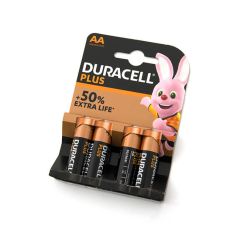
At BES, we stock a focused range of industrial and consumer batteries for everyday trade applications, site work and facilities maintenance - from test equipment and safety devices to handheld tools and site lighting.
With over 50 years of service to the trade, we offer trusted battery brands such as Duracell and Procell, alongside reliable service, including next working day delivery, Click & Collect, and a hassle-free 30-day returns policy.
Read More
We supply the standard formats for domestic, commercial, and industrial equipment.
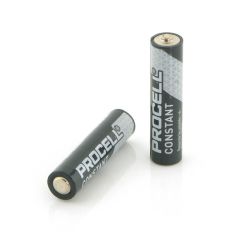
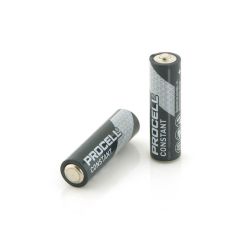
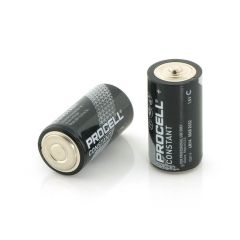
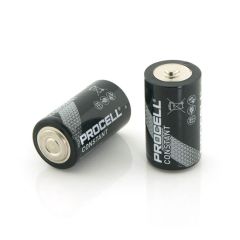
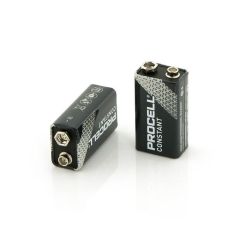
Targeted at professional use, the Procell Intense range is designed for high-power devices. Supplied in trade packs of 10, it is available in AA, AAA, C, D, and 9V (PP3) sizes, offering site managers a direct solution for bulk provision.
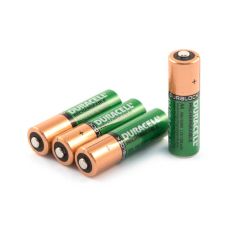
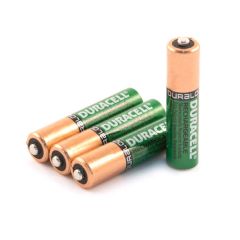
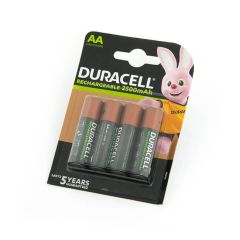
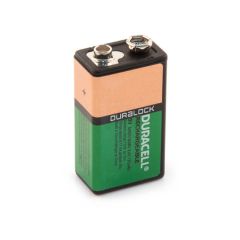
Rechargeable nickel-metal hydride batteries are designed for repeated use and are well suited to applications where batteries are replaced frequently. They are available in standard sizes, including AA, AAA, C, D, and PP3 9V, and can be recharged using compatible chargers.
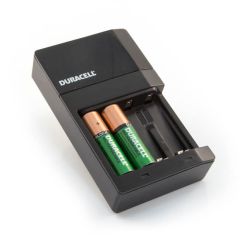
We also supply a dedicated Duracell 4 Cell Charger that charges 2 or 4 AA/AAA rechargeable batteries, giving 90% of a full charge in just 4 hours.
Different battery sizes are designed to suit different types of equipment, with variations in physical size and capacity affecting how long they power a device.
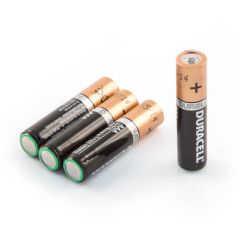
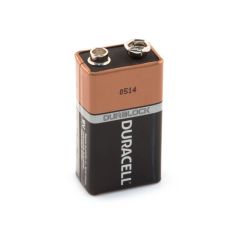
AA batteries are among the most commonly used sizes and are found in a wide range of tools and testing equipment. AAA batteries are smaller and are typically used in more compact devices where space is limited. C batteries offer greater capacity than AA and AAA, making them suitable for medium-demand equipment such as larger torches. D batteries provide even higher capacity and are used where longer run times are required, particularly in high-demand or continuous-use devices. PP3 batteries, also known as 9V batteries, are commonly used in safety equipment such as alarms and detectors, as well as in certain types of testing equipment.
Alkaline batteries are designed for single use and are often chosen for devices that are used occasionally or require a long standby life. Rechargeable batteries, by contrast, are intended for repeated charging and are typically used in equipment that sees regular use. Choosing between the two depends largely on how often the battery will need to be replaced and the level of demand placed on it by the device.
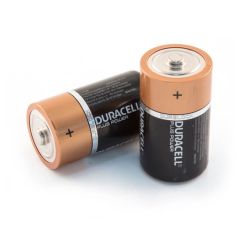
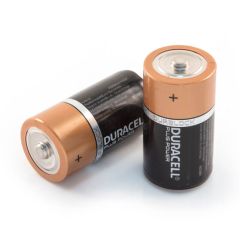
Duracell batteries are widely used in both domestic and trade applications, offering a consistent and familiar option for general use. Procell batteries, developed for professional environments, are commonly supplied in bulk packs and are suited to workplaces where batteries are used regularly across multiple devices. The choice between the two will depend on usage patterns, required quantities, and preferences for pack size or application.
Batteries should always be handled and stored carefully to prevent damage or short-circuiting, and compliance with waste electrical regulations is mandatory across all commercial and industrial sectors.
As batteries contain heavy metals and chemical compounds, they must not be placed in standard mixed municipal waste streams, and people should deposit spent cells at designated local authority recycling centres or registered distributor drop-off points.
Our battery range is selected to meet practical site requirements, whether for maintenance, installation, or routine testing, and our customers benefit from next working day delivery options, free UK mainland delivery on qualifying orders over £50, Click & Collect services, and a straightforward 30-day returns policy. This ensures you can source essential items quickly and with confidence.
Alongside batteries, our range of electrical tools, accessories and consumables supports installation, testing and maintenance across a variety of trade applications, helping professionals keep equipment operational and jobs progressing efficiently.
If you need a specific consumable but can’t find it, there’s a good chance we can help. Just give us a call, and we’ll do our best to source it.
What are the best AA batteries for high drain devices?
Rechargeable NiMH AA batteries are often suitable for high-drain devices used frequently. For single-use applications, professional-grade alkaline batteries are commonly used.
What is the difference between C and D batteries?
D batteries are larger and typically offer greater capacity than C batteries, making them better suited to devices that require longer run times or higher power output.
Do you sell batteries in bulk packs?
Yes, bulk packs are available in ranges such as Procell, which are commonly used in trade environments where batteries are replaced regularly.
Are rechargeable batteries pre-charged?
Many modern rechargeable batteries are supplied pre-charged, though this can vary by product. It is recommended to check the individual product details.
How should I dispose of old batteries?
Batteries should be taken to a designated recycling facility or collection point and should not be disposed of in general waste.
What is the difference between alkaline and rechargeable batteries?
Alkaline batteries are single-use and suited to occasional use, whereas rechargeable batteries can be reused multiple times and are more suitable for frequently used devices.
What are 9V batteries used for?
PP3 (9V) batteries are commonly used in smoke alarms, carbon monoxide detectors, and similar safety devices.