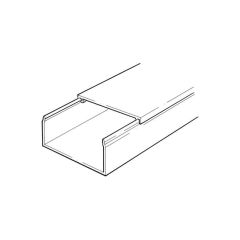
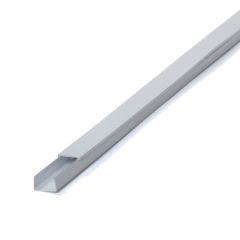
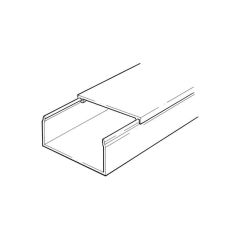
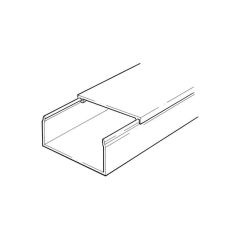
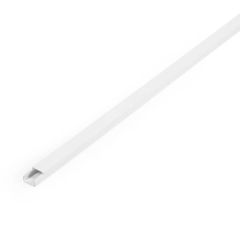
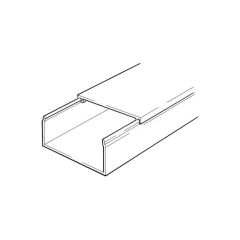
Neat, safe and organised wiring starts with the right cable trunking. At BES, we supply a complete range of cable trunking and accessories designed to protect, organise and conceal electrical cables in domestic, commercial and light industrial environments. Our range includes mini trunking, end caps, corners, T-pieces and clips, all precision-manufactured for a professional finish and straightforward installation.
With over 50 years serving the trade, BES combines reliable stock availability, next-day UK delivery options and quality cable trunking from trusted manufacturers, helping electricians and contractors work efficiently and to regulation.
Read More
Browse our comprehensive cable trunking range, including trunking lengths, corners, end caps and fittings in multiple sizes to suit any wiring layout or installation scale.
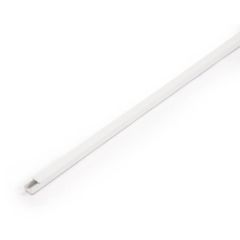
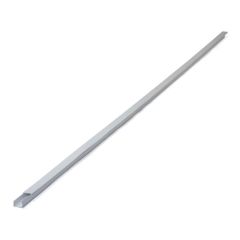
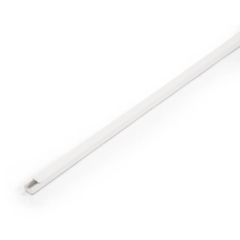
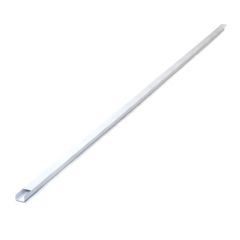
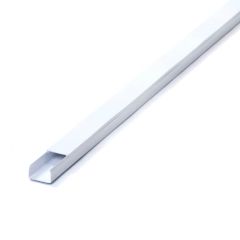
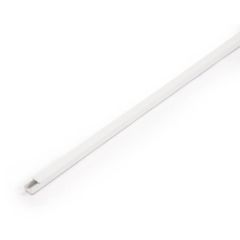
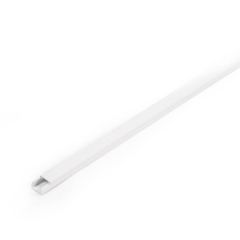
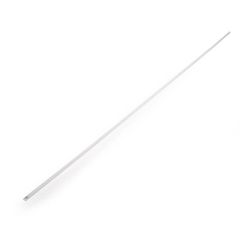
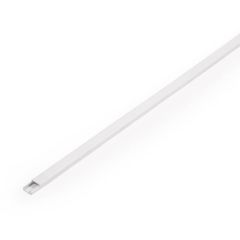
Our adhesive-backed mini trunking provides quick, clean installation without screws or drilling, ideal for finished surfaces or rented premises. Available in a variety of sizes, including 10 × 8 mm, 16 × 16 mm, 25 × 16 mm and 40 × 25 mm profiles, each 3 m length adheres securely to plaster, painted walls or skirting boards.
For permanent or heavy-duty installations, non-adhesive mini trunking can be fixed with screws or clips. Offered in the same size range as adhesive variants, it allows a more robust hold on uneven or high-temperature surfaces. Choose 3m mini trunking in 10 × 8 mm, 16 × 16 mm, 25 × 16 mm, 18 × 9 mm, 40 × 16 mm or 40 × 25 mm sizes.
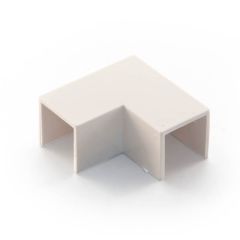
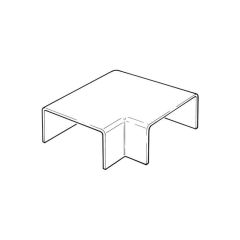
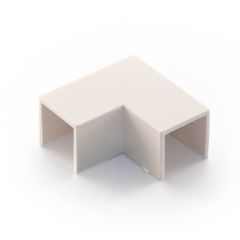
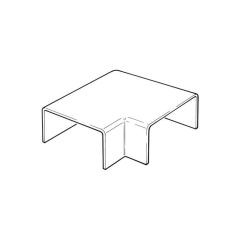
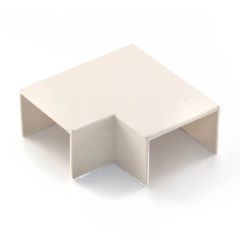
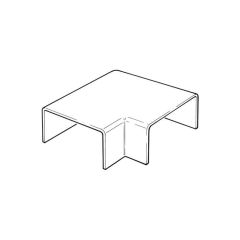
To maintain continuity around walls and fixtures, BES supplies a full selection of internal corners, external corners and T-pieces. These fittings enable seamless directional changes without the need to cut or mitre trunking, ensuring a tidy and professional result. Sizes match all BES mini trunking dimensions for simple compatibility.
End caps provide a safe, neat termination to open trunking runs, preventing cable exposure and protecting against dust ingress. Options are available in 16 × 16 mm, 25 × 16 mm, 40 × 16 mm and 40 × 25 mm formats.
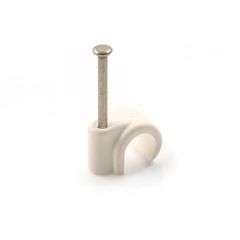
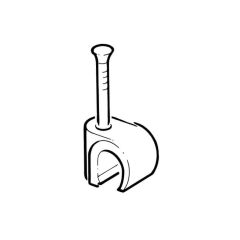
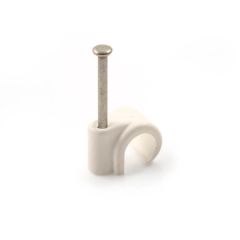
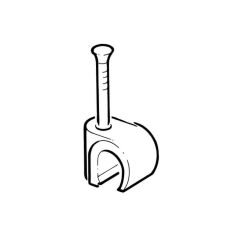
Our nail clips and pipe clips offer additional cable restraint and secure fixing points where trunking isn’t suitable, maintaining tidy cable management across wall or floor runs. Options include nail pipe clips of 10mm or 7mm.
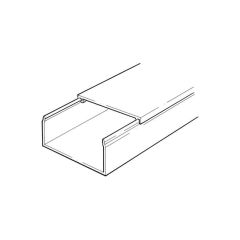
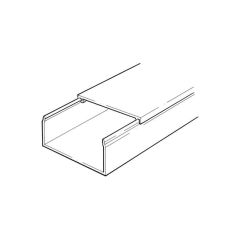
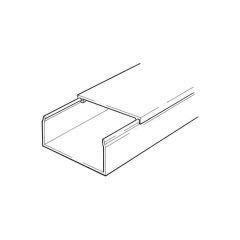
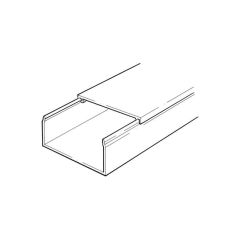
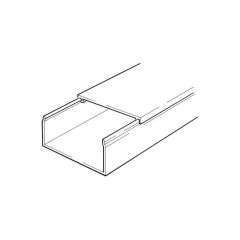
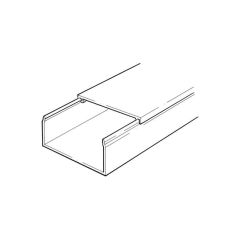
Cable trunking is a protective plastic or metal enclosure used to route and contain electrical wiring along walls, ceilings or skirting. It improves safety, prevents cable damage and provides a neat, compliant finish for surface-mounted electrical runs. PVC mini trunking is the most common choice for internal use, offering lightweight, cost-effective and corrosion-resistant performance.
Trunking is widely used in homes, offices, schools and light industrial buildings where rewiring, adding sockets, or data cabling requires tidy, visible containment.
When selecting trunking, consider both size and installation method. Measure the total number and diameter of cables to ensure adequate capacity and prevent overheating. For small domestic wiring such as lighting circuits or alarm cabling, mini trunking from 10 × 8 mm up to 25 × 16 mm is usually sufficient. Larger runs or multi-core cables may require 40 × 25 mm trunking.
Adhesive-backed trunking offers fast, non-invasive installation, while screw-fixed types provide greater strength where mechanical protection is critical. PVC trunking is suitable for most indoor environments, while metal trunking may be preferred for industrial or fire-rated applications.
Start by measuring and marking the route the trunking will run along. Cut the trunking to length using a fine-tooth saw, ensuring smooth, square ends. Clean the surface before applying adhesive-backed versions, pressing firmly along the length for full contact. For screw-fixed types, drill pilot holes at regular intervals and secure using wall plugs and screws. When routing cables, avoid overfilling the trunking; leave enough space for heat dissipation and future additions. Use corners, T-pieces and end caps to complete the installation neatly.
Always follow relevant electrical regulations, and for complex installations or additions to existing wiring, consult a qualified electrician.
With more than five decades of experience supplying electricians with top products, BES provides quality cable management solutions backed by dependable service. We offer next working day delivery across the UK, free delivery on orders over £50 and a Click & Collect service, all supported by our 30-day returns policy and expert technical advice. Whether you’re managing a small domestic job or a larger commercial installation, BES helps keep your work safe, tidy and compliant.
Browse our comprehensive selection of cable trunking and find the perfect solutions for your project. For more information or assistance, contact us at 0800 801090 – our team is here to help you every step of the way.
What is cable trunking used for?
Cable trunking protects and organises electrical wiring, preventing damage and keeping installations neat and compliant with safety standards.
How do I choose the right size of trunking?
Add the cross-sectional areas of all cables in the run and allow at least 30% spare capacity for ease of installation and cooling.
What is the difference between adhesive and screw-fix trunking?
Adhesive trunking offers a faster, no-drill solution for smooth surfaces, while screw-fix types provide stronger, permanent installation for high-traffic or industrial areas.
Can cable trunking be painted?
Yes. Most PVC trunking can be painted using an appropriate primer and emulsion or gloss paint, allowing it to blend with surrounding décor.
Is there a difference between trunking and conduit?
Yes. Trunking is typically rectangular and used to enclose multiple cables on a surface, whereas conduit is tubular and designed to fully encase single or grouped cables, often within walls.
How do I cut and fit mini trunking neatly?
Use a fine-tooth saw or trunking cutter, mark lengths carefully, and deburr the edges before applying adhesive or fixing with screws.
Are there fire-rated or waterproof versions?
BES supplies standard PVC trunking for indoor applications. For specialist environments such as fire-resistant or outdoor installations, seek products with the appropriate IP or fire rating and consult your electrical designer.