Whether you’re working on-site, in a plant room or moving between jobs, the right safety footwear makes a noticeable difference to comfort and protection. The BES range brings together durable boots, shoes, trainers and overshoes from trusted brands such as Proman and Dickies, giving tradespeople practical options for long shifts, demanding environments and varied site conditions.
Alongside footwear, BES also supplies a full range of PPE, protection gloves, safety equipment and plumbing clothing, helping workers stay safe and prepared across every part of the job.
Read More
Every style is designed to support safe working - from steel toe protection and slip-resistant soles to durable materials that hold up well against tough, everyday use. The collection includes lightweight styles for all-day wear, robust boots for heavier duties, and safety trainers suited to active roles or mixed indoor–outdoor work.
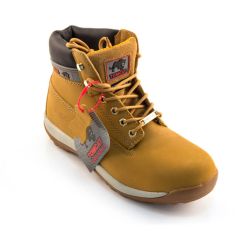
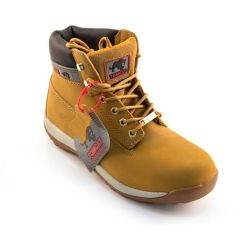
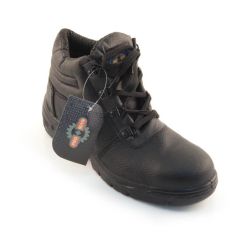
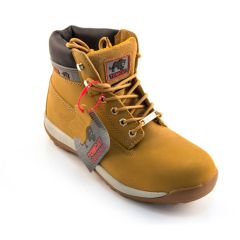
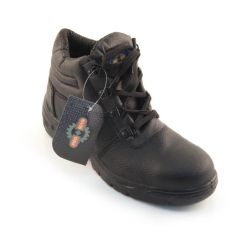
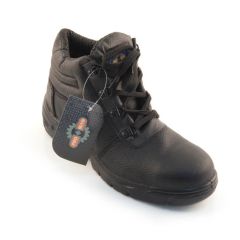
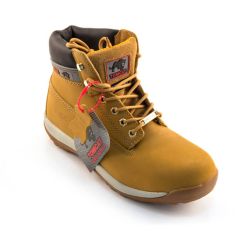
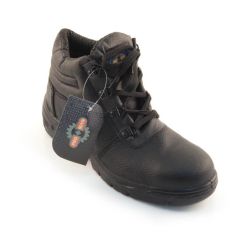
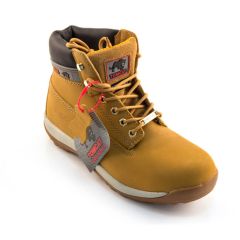
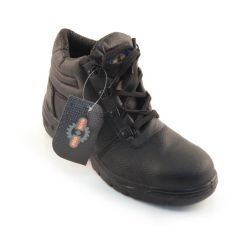
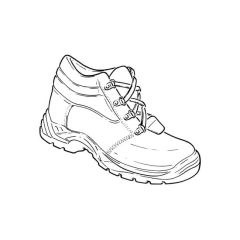
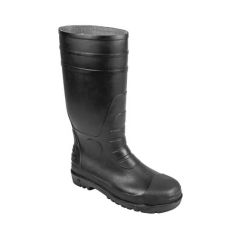
Safety boots remain the go-to choice for jobs involving heavy equipment, uneven terrain, or the risk of dropped tools. Our range includes dependable options such as the Proman Orlando Safety Boot (available in sizes 7–11) and the Proman Chukka Safety Boot in several sizes. For trades looking for branded workwear with strong all-round protection, the Dickies Antrim Super Safety Boot is available in sizes 7–12, offering a firm fit, reinforced toe protection and a stable, supportive sole.
These boots are suited to plumbing, heating, construction and maintenance work; anywhere that requires both stability and impact resistance.
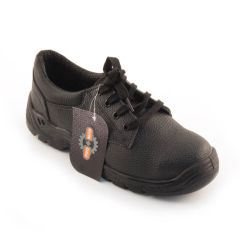
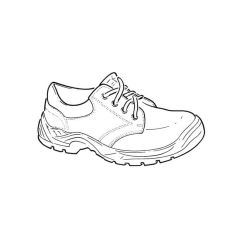
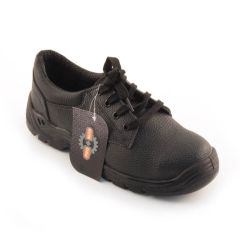
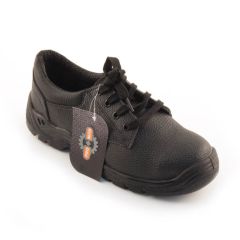
For roles that demand protection without the weight of a full boot, safety shoes offer a practical balance of comfort and durability. Our collection includes the S3 Chukka Proman Safety Shoe in sizes 7–11, designed for water resistance and reliable underfoot grip. For engineers who prefer a branded option with a smart, low-profile design, the Dickies Clifton Safety Shoe (sizes 7–11) delivers dependable toe protection in a more flexible, lightweight format.
Safety shoes are a popular choice for workshop tasks, indoor plant-room work, and any environment where prolonged standing or walking is expected.
Safety trainers combine protective features with the ease and comfort of a trainer, making them ideal for active roles or jobs involving frequent movement between sites. Our range includes the Dickies Storm II Safety Boot (sizes 7–11), a trainer-style boot offering good flexibility without compromising on protection. For a lighter option, the Tomcat Galaxy Trainers – Size 8 (White) provide a sports-inspired fit for day-to-day tasks in lower-risk environments.
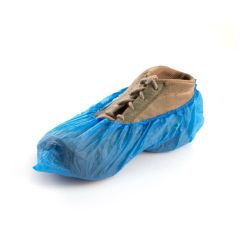
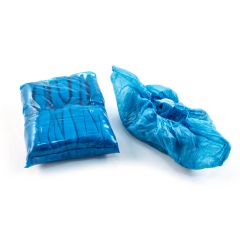
Overshoes offer quick, temporary protection for indoor spaces where cleanliness matters. They are commonly used by plumbers, heating engineers and service technicians when entering finished rooms or customer premises. The Overshoes (100 pack) in this range are easy to wear and help prevent dirt transfer from outdoor footwear
Selecting the most suitable safety footwear comes down to your working environment, the level of protection required and the comfort needed across long shifts. Boots provide the greatest ankle support and are preferred for construction sites or heavier plumbing and heating work. Shoes offer a lighter feel for indoor or workshop environments, while trainers suit active tasks where flexibility and movement are important.
Fit also matters; footwear should be snug at the heel, comfortable across the forefoot and supportive through the arch. Materials, water resistance and slip ratings are worth considering if you regularly work in wet, uneven or contaminated areas.
All safety footwear in the UK should meet EN ISO 20345, the standard specifying minimum performance requirements for protective footwear. You will find the protection class on the CE mark label, with the most common being:
SB: basic toe protection tested to 200 joules
S1: adds anti-static properties and fuel-oil resistance
S1P: adds penetration resistance for sharp underfoot hazards
S2: adds water resistance
S3: combines S2 features with enhanced penetration resistance and a cleated outsole for outdoor or uneven ground
SRC: slip-resistance tested on both ceramic and steel surfaces
Different job roles demand different ratings; for example, S3 SRC footwear is often preferred on construction sites, while S1 or S2 styles may suit indoor workshops or mechanical rooms. Additional letters specify extra features such as anti-static (A) or penetration resistance (P).
BES carefully selects safety footwear with the needs of working trades in mind—durability for long days, reliable protection for unpredictable environments and comfortable designs that perform well across varied tasks.
We provide fast dispatch options, free delivery on orders over £50, Click & Collect from our depot, and a 30-day returns policy for added flexibility.
If you need guidance on choosing your footwear, or you’re kitting out a wider team with workwear and safety gear, our customer service and technical support teams are ready to assist.
What safety ratings should I look for in UK safety footwear?
Safety footwear in the UK is rated under EN ISO 20345, which defines minimum protective requirements. Standard ratings include SB for basic toe protection, S1 for anti-static and fuel-oil resistance, S1P for added penetration resistance, and S3, which includes water resistance and a cleated outsole suited to outdoor and uneven surfaces. SRC indicates the highest level of slip resistance, tested on both ceramic and steel floors.
Which safety boots are best for construction workers?
Construction roles typically require S3-rated footwear with reinforced midsoles and slip-resistant soles. Heavy-duty boots such as the Proman Orlando Safety Boot or Dickies Antrim Super Safety Boot offer ankle support, underfoot protection and robust materials suitable for uneven or demanding site conditions.
Are safety trainers suitable for warehouse or indoor work?
Yes. Safety trainers are often preferred for warehouse, logistics and maintenance roles because they are lightweight and flexible while still offering protective toecaps and slip-resistant soles. Models like the Dickies Storm II or Tomcat Galaxy Trainers provide good movement and comfort for active work.
How do I choose the right size for safety boots or shoes?
Safety footwear should fit securely at the heel, comfortably across the forefoot and have enough room for natural toe movement. If you typically wear thicker work socks, consider this when selecting your size. Many engineers size up slightly in winter for layered socks, while others prefer a true-to-size fit for all-day comfort.
How do I care for leather safety boots?
Wipe off dirt after use and allow boots to dry naturally away from heat sources. Leather boots benefit from regular conditioning to prevent drying and cracking. Checking soles and toe areas for wear ensures your footwear continues to meet safety expectations.
What does slip resistance (SRC, SRA, SRB) mean on safety footwear?
Slip-resistance ratings indicate how effectively a sole grips under different conditions. SRA is tested on ceramic tiles with detergent, SRB on steel floors with glycerol, and SRC covers both tests, offering the highest level of slip resistance.
Can safety shoes or boots be VAT exempt in the UK?
Some protective footwear may qualify for VAT exemption depending on HMRC rules and how the product is used. Always check the current HMRC guidance or seek professional advice if VAT treatment is important for your purchase.
Which footwear should plumbers and heating engineers choose?
Most plumbing and heating engineers prefer water-resistant boots or shoes with strong grip for indoor–outdoor work. S1P or S3 ratings often provide suitable protection depending on the job environment, while lightweight trainers are sometimes used for service work or customer premises.
Do BES safety boots come with customer reviews?
Customer reviews can be found on individual product pages where available. Reviews help installers understand real-world performance, durability and comfort across different working conditions.