





Due to a major global outage at Cloudflare, some users are experiencing difficulties when ordering. If your order is urgent, please call 0800 80 10 90.

Excellent
stars
 
Rating 4.71 Reviews 0000
Alarms

Alarms

Safety alarms are a must in homes, rental properties, commercial buildings, caravans and boats, providing early warning against fire, smoke, carbon monoxide, carbon dioxide, and gas leaks. At BES, we supply alarms selected for reliability, ease of installation and long service life, helping installers and landlords meet modern safety expectations with dependable equipment.

Whether you’re upgrading an existing system or specifying alarms for a new installation, you’ll find robust, trade-quality options ready for a wide variety of environments. 

Read More

A Wide Range Of Safety Alarms

Our selection includes heat and smoke alarms, CO and CO₂ alarms, and natural gas and LPG detectors, covering everything from domestic kitchens to plant rooms and confined spaces.

Heat & Smoke Alarms

Smoke alarms typically use optical or ionisation sensing. Optical alarms are less prone to nuisance alarms from cooking and steam, making them suitable for hallways and living areas. Ionisation alarms respond quickly to fast-burning fires.

Heat alarms detect rapid temperature rise rather than smoke, making them suitable for kitchens, garages and dusty areas where smoke alarms may falsely trigger.

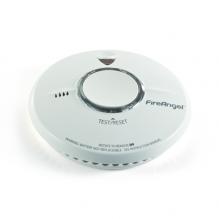
Our selection of heat and smoke alarms includes 'toast-proof ' optical smoke alarms, 10-year warranties, strobe lights & vibration alerts and much more.

CO & CO₂ Alarms

Carbon monoxide alarms monitor for CO, an odourless and potentially harmful gas produced by incomplete combustion from appliances such as boilers, heaters and gas fires. CO₂ alarms monitor carbon dioxide levels in enclosed or poorly ventilated areas and are commonly used in commercial settings, plant rooms, hospitality venues or storage spaces.

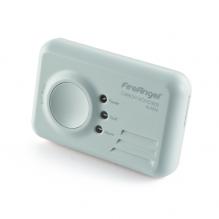
We stock a wide range of carbon monoxide and carbon dioxide alarms from top manufacturers such as Firehawk, FireAngel, Honeywell, Kane and Kidde, suitable for homes, caravans, boats or commercial applications

Natural Gas & LPG Alarms

Gas alarms monitor for unburned fuel gases. Natural gas rises, while LPG sinks, so detectors must be selected and positioned appropriately. Dedicated LPG alarms are essential for caravans, motorhomes and boats due to LPG's low-level pooling behaviour.

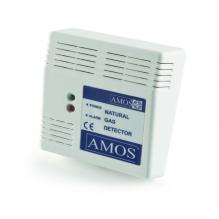
We offer a selection of natural gas detectors with integral or remote sensors, in 12V or 240V variants.

Choosing The Right Alarm for Your Installation

To choose the correct alarm, consider:

  • The hazard (smoke, heat, CO, CO₂, natural gas, LPG)

  • Room environment (steam, dust, temperature, ventilation)

  • Power options (replaceable or long-life battery, hardwired)

  • Alert features (strobe, vibration pads, interlinking capability)

  • User needs (accessibility requirements, vulnerable occupants, landlord compliance expectations)

For example, a kitchen requires a heat alarm, not a smoke alarm. A caravan needs a low-level LPG detector. A boiler cupboard or sleeping area should have a CO alarm meeting the relevant standard.

Where To Use Each Type of Alarm

Having your alarms installed in an appropriate place improves detection accuracy and reduces nuisance alarms:

  • Smoke alarms: hallways, landings, living spaces, bedrooms

  • Heat alarms: kitchens, utility rooms, lofts, garages

  • CO alarms: near gas appliances, boiler cupboards, sleeping areas, plant rooms

  • CO₂ alarms: commercial kitchens, cellars, breweries, storage spaces

  • Natural gas detectors: high on a wall or ceiling near gas appliances

  • LPG detectors: low on a wall or near floor level in caravans, boats or LPG installations

Always follow the manufacturer's installation instructions for exact placement and distance requirements.

Installation & Testing Guidance

Correct installation and routine testing ensure alarms provide reliable protection.

Installation tips:

  • Fit alarms according to manufacturer guidance, considering height, distance from appliances and airflow.

  • Avoid fitting smoke alarms too close to kitchens or bathrooms where steam causes nuisance triggers.

  • Fit CO alarms at breathing height in living areas or as specified near appliances.

  • Ensure gas alarms (natural gas or LPG) are installed at an appropriate height based on the gas type.

Testing & maintenance tips:

  • Test alarms regularly using the test button as recommended by the manufacturer.

  • Replace batteries as required, unless using sealed long-life models.

  • Vacuum smoke and heat alarms periodically to remove dust buildup.

  • Replace alarms at the end of their service life, typically 5–10 years depending on model.

Why Shop At BES

With over 50 years supporting the trade, BES supplies alarms chosen for dependable performance across domestic, commercial and mobile environments. Whether specifying equipment for landlords, installing in caravan or marine settings, or upgrading a boiler room or washroom, our range offers reliable solutions from trusted brands.

We provide fast dispatch, free delivery over £50, Click & Collect, and 30-day returns, making it straightforward to source alarms alongside gas fittings, installation accessories and safety equipment.


FAQs

What is the difference between a heat alarm and a smoke alarm?

Smoke alarms detect airborne smoke particles and suit hallways, landings and living areas. Heat alarms detect a rapid temperature rise and are ideal for kitchens or dusty environments where smoke alarms may false trigger.

Where should a carbon monoxide alarm be installed?

CO alarms should be placed in rooms with fuel-burning appliances, near boilers, or in sleeping areas. They should be fitted at breathing height unless manufacturer instructions specify an alternative position.

Do I need a specific alarm for LPG gas?

Yes. LPG is heavier than air and sinks to floor level, so alarms designed for LPG detection and low-level mounting are recommended for caravans, boats and LPG-supplied properties.

Which alarm is suitable for kitchens?

Kitchens should use heat alarms, as smoke alarms may activate unnecessarily due to cooking fumes and steam.

How often should I test my alarm?

Use the test button regularly as advised by the manufacturer, often once a week or month. Testing ensures the sounder and electronics are functioning correctly.

What safety standards should I look for?

Smoke alarms often meet BS EN 14604, CO alarms BS EN 50291, and heat alarms BS 5446-2. Refer to the product listing for confirmation of the standards each device meets.

Can one alarm detect both smoke and carbon monoxide?

Some combined units are available, but most alarms detect a single hazard for accuracy and reliability. Check product details before purchasing.

Why is my alarm sounding without an obvious reason?

Causes may include steam, dust, insects, low battery, or positioning too close to a kitchen or bathroom. Heat alarms or optical smoke alarms can help reduce nuisance triggers in sensitive areas.

When should alarms be replaced?

Most alarms have a service life of 5–10 years. Check the manufacturer’s label or instructions for the end-of-life date.

Sort By