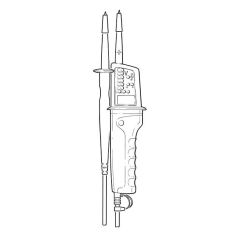
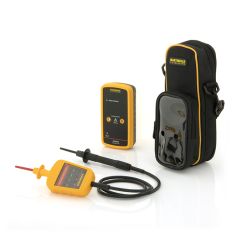
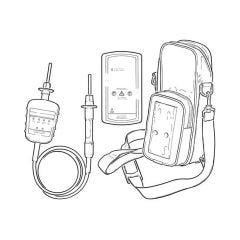
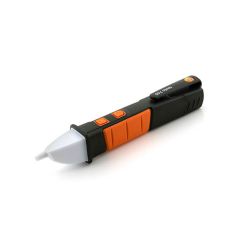
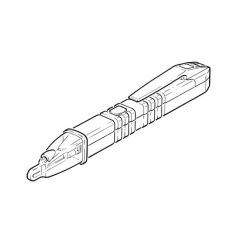
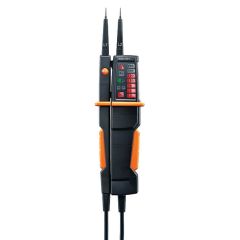
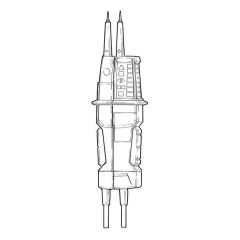
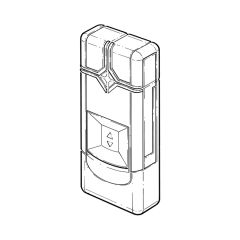
A comprehensive range of voltage detectors
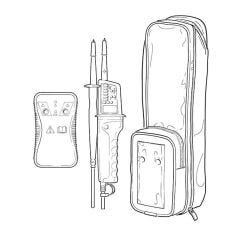
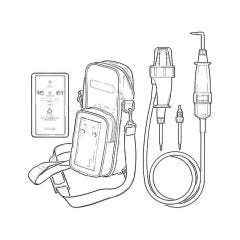
BES will help you find the right detectors for the job at hand. We have a wide range of electrical detectors on offer, including:
Cable & Pipe Detector
Needed when you have to check for electric cables and metal objects. Detectors from brands like Bosch also have additional safety features.
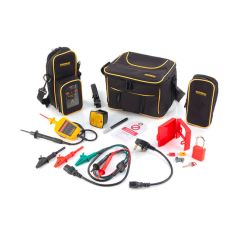
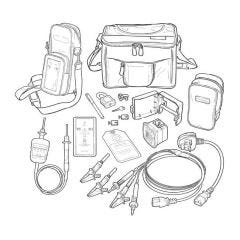
Electrical Safety Test Kit
A one-stop-shop for gas safe registered engineers. Full test kits ensure you can detect in any situation.
Fuse Finder
Great for checking out systems without having to power down, the Martindale FD550 Digital Fuse Finder is popular amongst BES customers.
Proving Unit
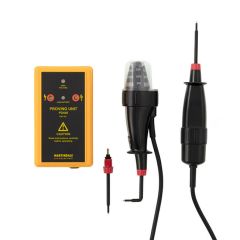
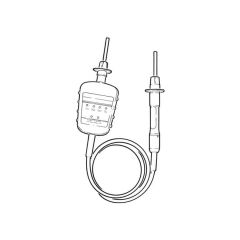
Helping to verify that voltages are working and measurements are accurate, a reliable proving unit is needed before operation.
Test Lamp & Proving Device
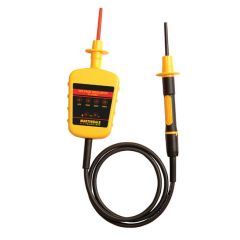
Great for testing in tricky angles, a proving unit with a test lamp will make working in awkward spaces easier.
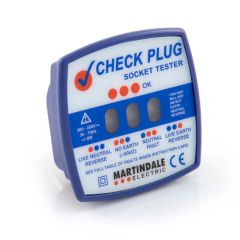
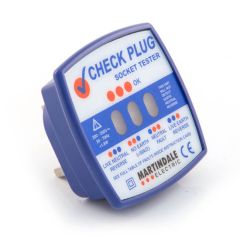
Check Plug
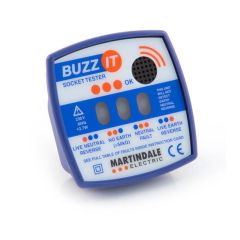
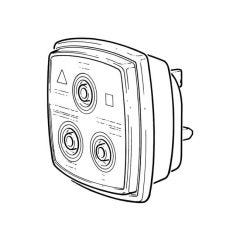
One of the quickest ways of checking a socket is wired correctly. We offer check plugs with audible alarms or light-based systems to inform you of any problems.
Clamp Meter
We have some fantastic clamp meters for measuring live current, including the Testo 770-3 TRMS, which comes with Bluetooth functionality.
Earth Loop
A reliable earth loop can help troubleshoot any problems with earth impedance in an instant. Checkers from brands like Martindale are great to have at hand.
Magnetic Indicator
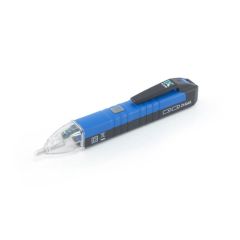
A lightweight solution for checking voltage and magnetic fields, a magnetic indicator will help you know if there is/isn’t the need for a separate proving unit.
Socket Test Adaptor
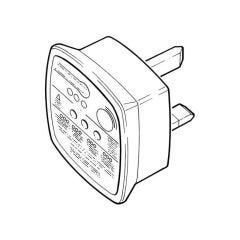
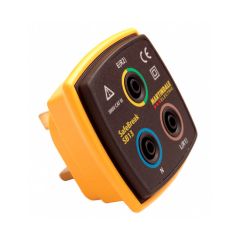
Testing any socket should be a quick job, and having an adaptor at hand makes sure of it. The likes of the Safebreak SB13 offer a cheap and practical solution.
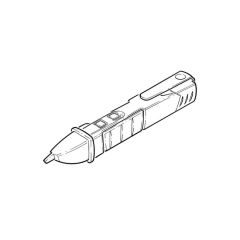
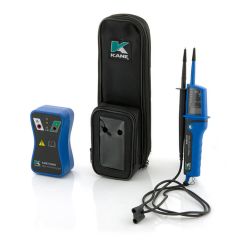
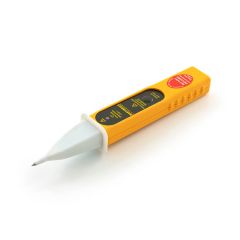
Voltage Detector, Indicator & Tester
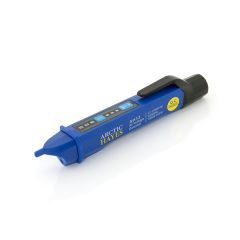
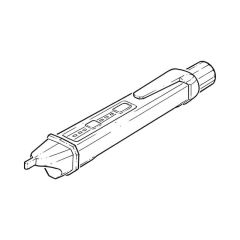
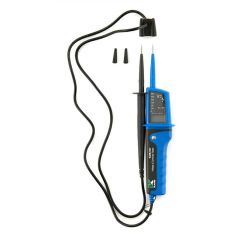
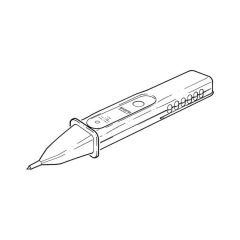
We stock everything from single pole voltage indicators to full detection kits from brands such as Kane, Martindale & Testo.
Helping you get the job done with your preferred electrical equipment
BES stocks a comprehensive range of testing equipment, full of products that can help you when working with electrical systems.
If you’re shopping for voltage detectors, there’s a good chance you may also be interested in our current selection of electrical multimeter testing equipment, with a wide selection of probe types on offer.
Get your testing equipment in a hurry!
When you see the product you need, you’ll be able to check if it is available for next day delivery under the Add To Basket button. You may also avail of free delivery on qualifying mainland UK orders.
If you need help finding testing equipment, take a look at the entire range here, or give BES a call on 0800 801090.