




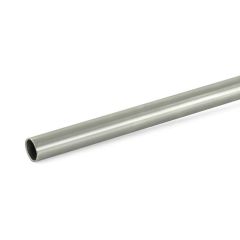
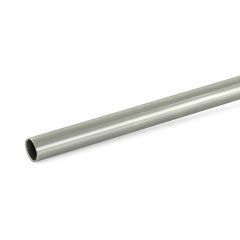
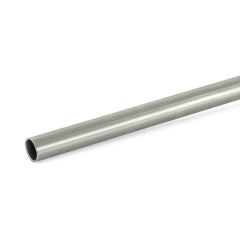
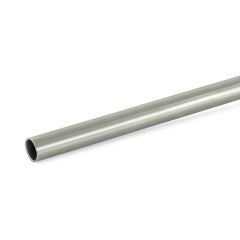
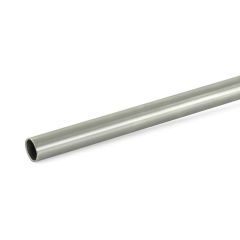
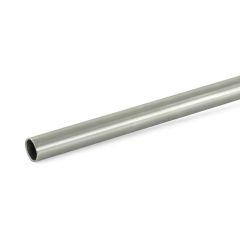
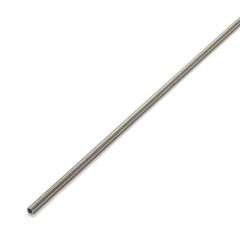
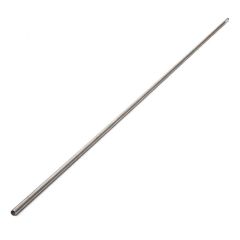
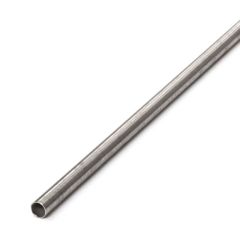
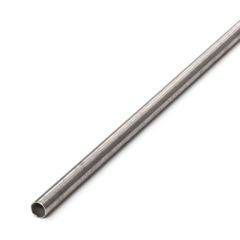
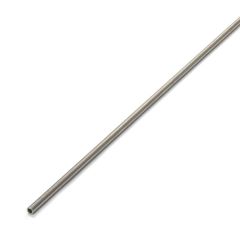
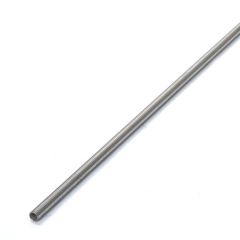
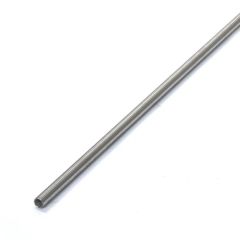
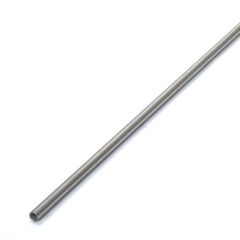

Looking for quality stainless-steel tubes? At BES, we stock an extensive range of stainless-steel tubes for press-fit, compression and threaded installations, with metric and imperial options for plumbing, heating, instrumentation and industrial pipework. Every tube in the current range is supplied in 3 m lengths, with a choice of 304 and 316L press-fit tubes, seamless 316L compression tubes and Schedule 40 stainless-steel tubes for threading.
With our high-quality products, low prices, fast delivery, and expert support, BES is your go-to source for stainless-steel tubes.
Read More
Our range includes 304 press-fit tubes, 316L press-fit tubes, metric and imperial compression tubes, and tubes for threading.
304 stainless steel press-fit tubes provide a practical choice for general indoor plumbing, heating and mechanical services where the environmental conditions do not require the additional chloride resistance of 316L.
Our range covers outside diameters of 15 mm, 22 mm, 28 mm, 35 mm, 42 mm and 54 mm. Products include the 15 mm x 3 m 304 stainless steel press-fit tube with a 1.0 mm wall and the 54 mm x 3 m 304 stainless steel press-fit tube with a 1.5 mm wall. Use these tubes with compatible stainless steel press-fit fittings and the correct pressing equipment.
316L press-fit tubes contain molybdenum and generally offer improved resistance to chloride-related corrosion compared with grade 304. It is commonly considered for more demanding industrial, hygienic, coastal and process environments, subject to the actual chemical exposure and complete system specification.
At BES, our selection includes the 15 mm x 3 m 316L stainless steel press-fit tube and the 42 mm x 3 m 316L stainless steel press-fit tube, alongside 22 mm, 28 mm, 35 mm and 54 mm options. Selected 316L tubes are supplied cleaned, degreased and fitted with end caps to help protect their internal condition before installation.
Metric compression tubes are intended for use with fittings selected by the tube’s outside diameter. Our range runs from 6 mm to 42 mm and includes different wall thicknesses to meet varying pressure, strength and installation requirements.
Popular products include the 6 mm x 1 mm wall stainless steel compression tube, 22 mm x 1.5 mm wall stainless steel compression tube and 35 mm x 2 mm wall stainless steel compression tube. Most products in this selection are designed for use with suitable stainless steel compression fittings, including applications involving pressure, vacuum, impulses or surges where the complete system has been correctly specified.
Imperial compression tubes are selected by their fractional-inch outside diameter rather than by a metric approximation. We stock 1/4", 3/8" and 1/2" tubes with a 20-gauge wall, plus 3/4" and 1" tubes with a 16-gauge wall.
Available products include the 1/4" 20-gauge stainless steel compression tube and 1" 16-gauge stainless steel compression tube.
Trade tip: Do not substitute a nominally similar metric tube for an imperial tube. A 1/2" tube has an outside diameter of 12.7 mm and is not interchangeable with 12 mm tube, even though the two sizes appear close.
Schedule 40 stainless steel tube is designed for systems that use mechanically threaded joints and stainless-steel screwed fittings. BES supplies 1/4", 3/8", 1/2", 3/4" and 1" nominal sizes in 3 m lengths. Top choices at BES include the 1/4" stainless steel tube for threading and 1" stainless steel tube for threading.
Trade tip: Threaded tube sizes are nominal pipe sizes and should not be treated as direct outside-diameter measurements. Match the tube to compatible stainless steel screwed fittings and use threading equipment suitable for stainless steel.
Correctly specified stainless steel tubing can be used in a wide variety of commercial, mechanical and industrial systems, including:
Water and compatible fluid distribution
Heating and cooling pipework
Instrumentation and process lines
Compressed-air installations
Vacuum systems
Hydraulic and pneumatic applications
Hygienic and process installations
Gas installations where the complete tube and fitting system is approved for the intended use
The tube material alone does not confirm suitability. Fittings, sealing elements, joining methods, system approvals, pressure, temperature and the transported media must all be considered.
Gas work must be carried out by an appropriately qualified Gas Safe registered engineer in accordance with the applicable regulations and the instructions for the complete system.
Both 304 and 316L offer good general corrosion resistance, but they are not interchangeable in every environment.
|
Selection point |
304 stainless steel |
316L stainless steel |
|
Common designation |
AISI 304 / 1.4301 |
AISI 316L / 1.4404 |
|
General use |
Indoor plumbing, heating and mechanical services in relatively mild environments |
More demanding industrial, process, coastal and hygienic environments |
|
Molybdenum content |
Not normally alloyed with molybdenum |
Contains molybdenum for improved resistance to chloride attack |
|
Chloride resistance |
More susceptible to pitting and crevice corrosion |
Better resistance than 304, but not immune |
|
Marine exposure |
Requires careful environmental assessment |
Often preferred to 304, although direct seawater service may require a higher-alloy material |
|
BES press-fit range |
Available from 15 mm to 54 mm |
Grade 316L is frequently chosen where chlorides, salt spray or more aggressive cleaning regimes are expected. However, it should not be described as corrosion-proof. Temperature, deposits, crevices, surface condition and chloride concentration can all affect performance. Where a product description states only “stainless steel”, check its detailed material specification rather than assuming that it is 304 or 316L.
Confirm the tube grade, size, wall thickness and connection method before cutting.
Keep tube ends protected from dirt and moisture during transport and storage.
Use cutting and deburring equipment suitable for stainless steel.
Avoid contaminating the surface with carbon steel particles, tools or abrasive materials.
Support the finished pipework and allow for thermal movement where required.
Do not force misaligned tube into a fitting.
Check whether the individual product is approved for machine bending before forming it.
Follow the fitting manufacturer’s insertion, tightening or pressing instructions.
Clean and flush the installation as required for its intended service.
Carry out the specified pressure, strength and leak testing before commissioning.
Never loosen or alter a joint while the system is pressurised.
Compression and threaded products that state internal cleaning is required before potable-water use should be cleaned accordingly. Where press-fit tube is supplied cleaned, degreased and end-capped, retain the protective caps until the tube is ready to be installed.
With over 50 years’ experience supplying specialist components to gas, plumbing and industrial professionals, we offer high-quality pipes, tubes and fittings, backed by technical know-how and top-rated service.
At BES, we are also proud to offer next working day delivery, competitive trade pricing, and expert support by phone or online, and all our tubes are supplied with technical standards clearly marked.
Whatever the project, whether specifying a system from scratch or replacing pipework in an existing installation, BES has the stainless-steel tubing you need - ready to deliver and built to perform. Browse the full range and order online today. And, if you're not sure which grade or wall thickness suits your application, our expert team is just a call away.
What is the difference between 304 and 316L stainless steel tube?
Grade 316L contains molybdenum, which gives it better resistance to chloride-related corrosion than grade 304. Grade 304 is commonly used for general indoor plumbing and mechanical services, while 316L is often selected for more demanding process, hygienic, coastal or chemically exposed environments. Neither grade is completely immune to corrosion.
How do I choose the correct stainless steel tube size?
For press-fit and compression systems, match the tube’s outside diameter to the fitting. Also check the wall thickness, material grade and whether the size is metric or imperial. For threaded Schedule 40 tube, select by nominal pipe size and verify the published outside diameter and wall specification.
How is stainless steel tube joined?
Press-fit tube is joined using compatible press fittings and a specified pressing tool. Compression tube is joined with correctly sized compression bodies, nuts and ferrules. Schedule 40 threading tube is machined with a pipe thread and connected to suitable screwed fittings.
Can stainless steel tube be used for gas?
Some stainless steel tube and fitting systems may be suitable for gas, but suitability must be confirmed for the complete system, including the fittings, seals, approvals, operating pressure and gas type. Gas installations must be completed by a suitably qualified Gas Safe registered engineer.
Can stainless steel tube be used for potable water?
Selected products and complete fitting systems may be suitable for potable water. Check the individual tube and fitting approvals and follow any cleaning or flushing instructions. Several compression and threading products state that internal cleaning is required before potable-water use, while selected 316L press-fit tubes are supplied cleaned, degreased and end-capped.
Can stainless steel tube be bent?
Some sizes can be machine bent, but others are specifically marked as unsuitable. Use correctly sized bending equipment and observe the permitted bend radius and product instructions.